Fatigue-oriented ingredient guide
Rhodiola for Mental Fatigue: The Lower-Stimulation Focus Ingredient to Understand
Rhodiola is the lower-stimulation route for people researching mental fatigue, demanding periods, and focus dips where more caffeine does not feel like the right answer.
What Rhodiola is
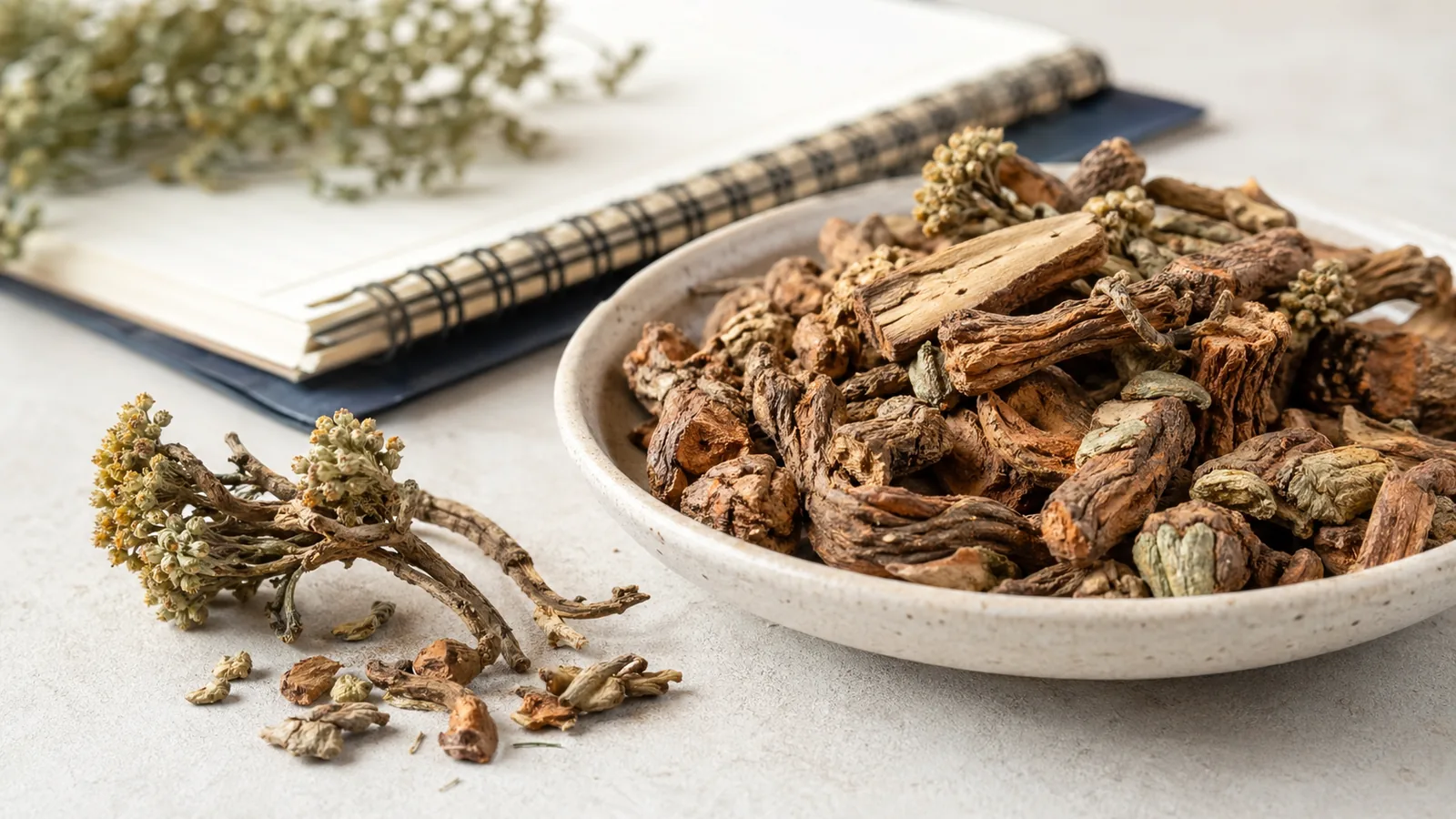
Rhodiola is an herbal supplement best known as a fatigue-focused adaptogen.
For Discernwell, Rhodiola belongs in the mental fatigue and lower-stimulation part of the ingredient map. It is the page to read when the question is what can I compare when I feel mentally worn down and more caffeine does not feel like the right answer?
That makes Rhodiola one of the more interesting non-caffeine ingredients on the site. It gives readers a route between simple caffeine decisions and more complicated nootropic blends.
Why people use Rhodiola for mental fatigue
People usually find Rhodiola when they are looking for support during demanding periods: heavy work, study pressure, travel, long days, or focus dips that feel more like fatigue than lack of motivation.
That is the cleanest way to frame Rhodiola.
The commercial strength of Rhodiola is that it gives readers a lower-stimulation fatigue route. Some research has looked at Rhodiola in mental and physical fatigue, although study quality and results vary.
The useful takeaway: Rhodiola is worth understanding when mental fatigue is the problem and simply adding more caffeine feels like the wrong direction.
Where Rhodiola fits in the focus-support map
Rhodiola sits between caffeine-based focus and broader non-stimulant support.
If caffeine already works but feels too sharp, L-Theanine + Caffeine is usually the cleaner first route.
If the goal is a stronger evidence-backed non-stimulant foundation, creatine deserves serious attention.
If the problem feels more like fatigue during demanding periods, Rhodiola becomes more relevant.
This makes Rhodiola useful because it occupies a clear space. It is a fatigue-focused ingredient to compare when the reader wants something different from more caffeine.
- Fast alertness: caffeine timing.
- Smoother caffeine: L-Theanine + Caffeine.
- Non-stimulant evidence route: creatine.
- Mental fatigue / lower-stimulation route: Rhodiola.
- Longer-term mushroom curiosity: Lion's Mane.
What Rhodiola may help with
Rhodiola's strongest Discernwell angle is mental fatigue during demanding periods.
That is the use case worth selling.
Creatine and caffeine have clearer evidence/category roles, while Rhodiola has a more specific fatigue-focused use case than many vague nootropic ingredients. That makes it commercially useful.
Rhodiola is one of the more natural fits for readers who are not looking for more stimulation, but still want to compare ingredients connected to mental fatigue and demanding periods.
- Mental fatigue support.
- Focus dips during demanding periods.
- Lower-stimulation options than more caffeine.
- Fatigue-oriented herbal products.
- Simple ingredient routes before multi-ingredient stacks.
- Labels that use adaptogen, energy, or focus language.
How quickly Rhodiola may feel relevant
Rhodiola is usually best evaluated over a short-to-medium window rather than as a dramatic one-off effect.
That fits the use case. A reader comparing Rhodiola is usually looking at whether a fatigue-focused supplement belongs in their routine during demanding periods.
For product comparison, this matters because labels and formulas vary.
This is where the commercial path becomes stronger: Rhodiola products are worth comparing by extract quality, formula simplicity, and label clarity.
- Extract type.
- Standardization where stated.
- Serving clarity.
- Whether it is single-ingredient or part of a blend.
- Added caffeine or stimulant-like ingredients.
- Warning-label transparency.
- Exaggerated energy or focus claims.
Who Rhodiola may suit
Rhodiola may suit readers who want a lower-stimulation route for demanding periods.
The strongest reader fit is simple: Rhodiola is for the person who wants to understand fatigue-focused support without jumping straight into heavy nootropic stacks.
- Feel mentally worn down during busy periods.
- Want to compare fatigue-oriented ingredients.
- Want an option that is not just more caffeine.
- Are interested in adaptogen-style products but want clearer label standards.
- Prefer simple ingredient routes before complex blends.
- Want to compare Rhodiola with creatine, caffeine alternatives, or L-Theanine + Caffeine.
Rhodiola vs caffeine, creatine, and L-Theanine + Caffeine
Rhodiola becomes easier to understand when compared with nearby routes.
Caffeine is the fast alertness route.
L-Theanine + Caffeine is the smoother-caffeine route.
Creatine is the non-stimulant performance-support route.
Rhodiola is the lower-stimulation mental-fatigue route.
That gives Rhodiola a clear job on Discernwell. It helps readers compare an ingredient category that sits closer to fatigue and demanding periods than ordinary stimulation.
A simple decision map: for quick alertness, start with caffeine timing; for smoother caffeine, compare L-Theanine + Caffeine; for a serious non-stimulant foundation, read Creatine; for fatigue-focused herbal support, Rhodiola is worth understanding.
- Caffeine and Focus
Use this guide for timing, total intake, jitter, crash, and sleep tradeoff questions.
- L-Theanine + Caffeine
Compare the smoother-caffeine route if caffeine already helps but feels too sharp.
- Creatine for Mental Performance
Compare a stronger non-stimulant performance-support route.
- Caffeine Alternatives
Review lower-stimulation paths before comparing fatigue-focused herbal products.
Taking Rhodiola safely
Rhodiola is a useful ingredient to compare, but product quality and personal fit matter. Use extra care if pregnant or breastfeeding, taking medication, managing a medical condition, sensitive to stimulating supplements, or if bipolar disorder or mania history is relevant.
- Check Rhodiola species/name clarity, extract type, and standardization if stated.
- Review serving size, whether it is single-ingredient or blended, and any added caffeine or stimulants.
- Look for warning-label transparency and energy or focus claims that sound too broad.
For broader context, read the Focus Supplement Safety Guide.
Evidence and sources
Evidence note
Best supported for: mental fatigue and focus during demanding periods.
Evidence label: Limited to moderate
Rhodiola's strongest Discernwell angle is mental fatigue during demanding periods. Evidence varies by extract, study quality, population, and outcome measured, which makes product labels and extract details important when comparing products.
Evidence can vary by ingredient form, study population, and outcome measured. Sources are listed below so readers can check the basis for our wording.
Source checked
Sources
Sources are included so readers can check the basis for our wording. We use sources to keep claims specific and cautious; sources do not mean an ingredient or product will have predictable results.
See Editorial Standards and Methodology for how sources are used.
- Safety / regulatory guidance
Authoritative overview noting that reliable evidence is insufficient for firm health claims and that safety data are limited.
- Review / systematic review
Rhodiola rosea for physical and mental fatigue: a systematic review
Systematic review useful for cautious fatigue wording because results were contradictory and trial quality limited.
- Human study
Rhodiola rosea for mental and physical fatigue in nursing students: a randomized controlled trial
Human randomized trial included for balance; it should not be used to make broad benefit claims.
- Clinical monograph
Clinical herb monograph used for conservative interaction and safety-context checks.
Editorial process
Discernwell is written by Craig A. and source-checked against published research, supplement labels, and safety guidance where available. We do not claim medical review unless a qualified reviewer is named on the page.
Read the Editorial Standards and Methodology for more detail.