Classic herbal energy guide
Ginseng for Mental Energy: The Classic Herb Worth Understanding
Ginseng is one of the classic herbal ingredients people research for mental energy, fatigue support, and demanding days. It is most useful to compare when the label clearly explains the type of ginseng, extract strength, ginsenoside content, serving size, and whether it appears alone or inside a broader focus blend.
What ginseng is
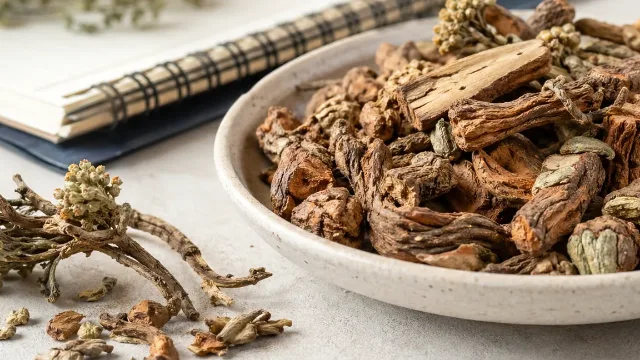
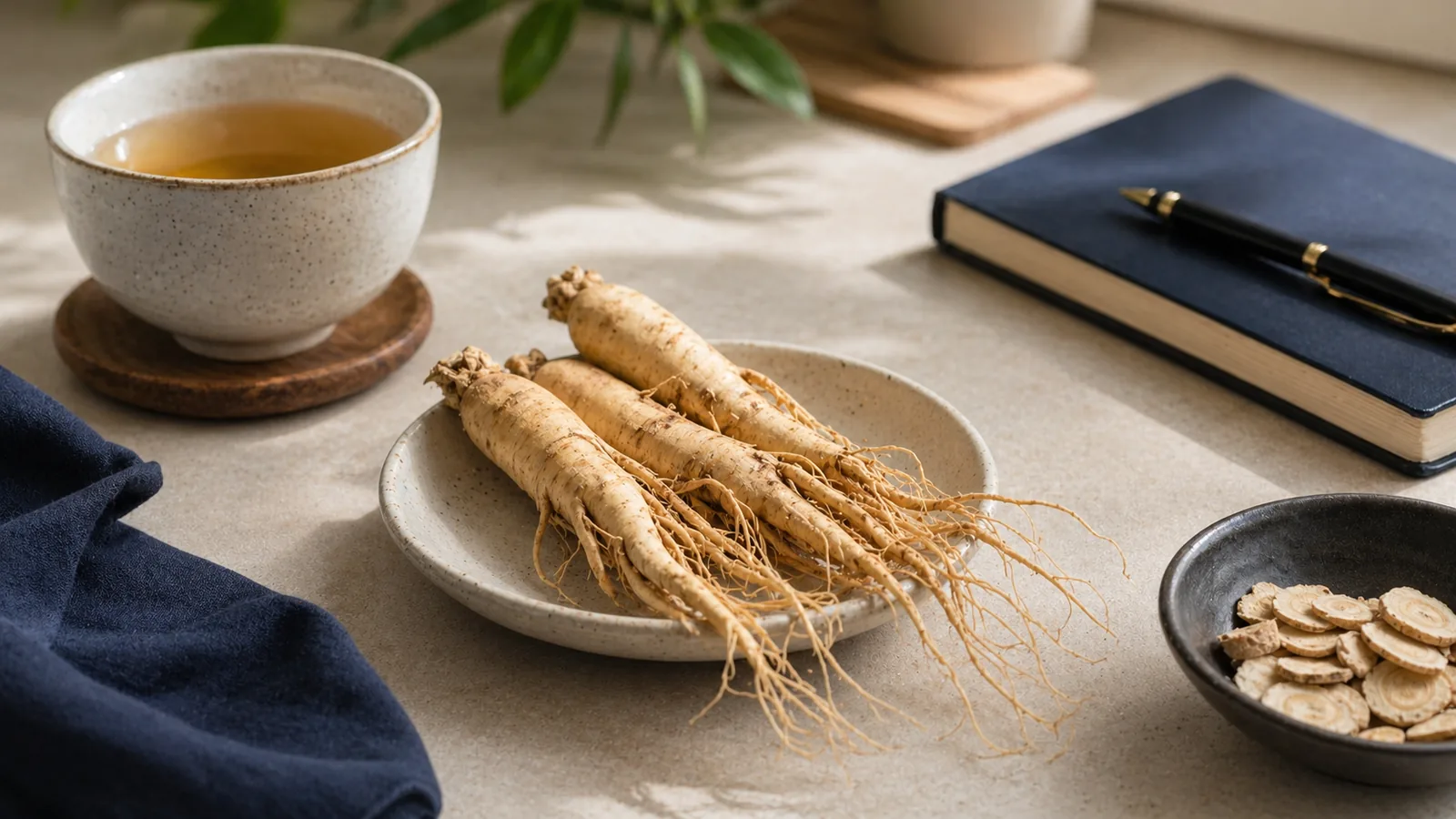
Ginseng is a root used in traditional herbal medicine and modern dietary supplements. The most common forms are Asian ginseng, also called Panax ginseng, and American ginseng, also called Panax quinquefolius.
Asian ginseng may also be sold as Korean ginseng, red ginseng, or white ginseng. Red and white ginseng usually refer to different preparation methods of Asian ginseng rather than totally different plants.
The active compounds people usually look for are called ginsenosides. These are one of the main reasons ginseng labels talk about extract strength and standardization.
That makes ginseng a label-reading ingredient. A vague ginseng blend is much harder to judge than a product that clearly names the species, extract, ginsenoside content, and serving size.
Why ginseng gets attention for mental energy
Ginseng gets attention because it sits between traditional herbal use and modern focus-supplement interest.
People usually look at ginseng for mild energy support, mental fatigue, stress-adaptation interest, cognitive-support interest, general vitality, caffeine-free supplement comparisons, and herbal focus-support formulas.
The practical framing is simple: ginseng is worth understanding if you want an herbal route for mental energy and fatigue support, especially before comparing caffeine alternatives or broad focus blends.
A 2024 systematic review found that ginseng showed some positive effects on cognitive improvement, especially memory, while also calling for more high-quality studies. NCCIH gives a similarly careful picture: some research suggests possible cognitive-function benefits, but many clinical trials have been small and short.
That makes ginseng interesting when the comparison stays grounded in product type, extract quality, and realistic expectations.
- Mild energy support.
- Mental fatigue interest.
- Traditional adaptogen-style support.
- Caffeine-free supplement comparisons.
- Herbal focus-support formulas.
What ginsenosides are and why they matter
Ginsenosides are naturally occurring compounds found in ginseng. They are often used as a marker of extract quality and strength.
For a beginner, the simple version is this: if a ginseng product does not clearly say what type of ginseng it uses or how the extract is standardized, it is harder to compare.
That is why ginseng labels need more scrutiny than something simple like caffeine.
This is where ginseng becomes useful as a label-reading ingredient. Many shoppers see ginseng on a label and assume it means the same thing every time, but the form and label clarity matter.
- Whether it uses Asian ginseng, American ginseng, Korean red ginseng, or another form.
- The Latin name if possible.
- Whether it is root powder or an extract.
- The serving size.
- Whether the extract is standardized.
- The ginsenoside content if provided.
- Whether it is single-ingredient or part of a larger blend.
What ginseng may be relevant for
Ginseng may be relevant if you are comparing herbal ingredients connected to mental energy, fatigue, and focus-support interest.
Ginseng's best role is as the classic herbal energy and fatigue-support ingredient.
Ginseng products vary enough that careful comparison matters. If a product contains ginseng, you want to know what type, how much, what extract, and what else is in the formula.
- Mild mental energy support.
- Fatigue-support interest.
- Herbal caffeine alternatives.
- Adaptogen-style supplement comparisons.
- Focus blends that include traditional herbs.
- Ginseng vs Rhodiola comparisons.
- Ginseng vs caffeine alternatives.
- Label reading around extracts and standardization.
How quickly ginseng may feel relevant
Ginseng has two timing stories.
The first is same-day interest. Some research has looked at cognitive or mood effects after a single dose or short-term use.
The second is repeated-use interest. Fatigue, general energy, and adaptogen-style support are usually easier to judge over repeated use rather than one serving.
That timing story is useful because ginseng is often sold in broad formulas. If the label hides the exact amount or form, it becomes much harder to know what you are actually comparing.
- Same-day interest: mental energy, mood, attention-style tasks.
- Repeated-use interest: fatigue support, general vitality, stress-adaptation interest.
- Label-dependent: results may depend heavily on species, extract, serving size, and ginsenoside content.
Ginseng vs caffeine, Rhodiola, creatine, and Citicoline
Ginseng is easier to understand when you compare it with nearby routes.
Caffeine is the fast alertness route. L-Theanine + Caffeine is the smoother-caffeine route. Rhodiola is the lower-stimulation mental-fatigue route. Creatine is the stronger evidence-backed performance-support route. Citicoline is the choline-pathway and memory-support route.
Ginseng is the classic herbal mental-energy route.
- For fast alertness: start with caffeine timing.
- For smoother caffeine: compare L-Theanine + Caffeine.
- For mental fatigue: compare Rhodiola.
- For stronger performance-support evidence: read Creatine.
- For memory and choline support: compare Citicoline.
- For classic herbal energy and fatigue-support interest: ginseng is worth understanding.
How to compare ginseng supplement labels
Ginseng products need careful label reading because ginseng can mean several different things.
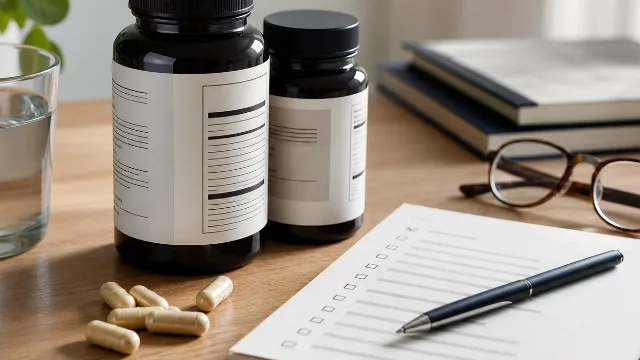
A good ginseng product should make the species, extract type, serving size, and ginsenoside information easy to understand.
If the product only says ginseng blend with no useful detail, comparison becomes much weaker.
- The type of ginseng.
- The Latin name.
- Whether it is root powder or extract.
- Whether it is red, white, Asian, Korean, or American ginseng.
- The serving size.
- The ginsenoside content.
- Whether the product is standardized.
- Whether it is single-ingredient or part of a blend.
- Whether caffeine or other alertness ingredients are included.
- Whether the claims are about energy, fatigue, focus, stress, or general vitality.
Taking ginseng safely
Ginseng is a traditional herb, but it still deserves a careful safety check. NCCIH says short-term oral use of Asian ginseng, up to 6 months in recommended amounts, appears to be safe for most people. It also notes questions about long-term safety, says insomnia is the most common side effect, and warns that Asian ginseng may interact with medications.
- Use extra care if pregnancy, breastfeeding, medication use, diabetes or blood-sugar concerns, blood-clotting issues, autoimmune conditions, surgery, or other medical conditions are part of the decision.
- Check whether caffeine or other alertness ingredients are included.
- Look for a clear serving size, standardized extract information, visible warnings, and realistic claims.
For broader context, read the Focus Supplement Safety Guide.
Evidence and sources
Evidence note
Best supported for: fatigue, cognitive-function, and herbal mental-energy interest.
Evidence label: Limited to moderate
Ginseng has research interest around fatigue, cognitive function, and traditional adaptogen-style support. NCCIH notes that many Asian ginseng trials have been small and short. A 2024 systematic review reported some positive effects on cognitive improvement, especially memory, while calling for more high-quality studies. A 2018 review described ginseng as an interesting fatigue-support area, especially in chronic illness contexts, but that context should not be overstated for ordinary healthy supplement shoppers.
Evidence can vary by ingredient form, study population, and outcome measured. Sources are listed below so readers can check the basis for our wording.
Source checked
Sources
Sources are included so readers can check the basis for our wording. We use sources to keep claims specific and cautious; sources do not mean an ingredient or product will have predictable results.
See Editorial Standards and Methodology for how sources are used.
- Safety / regulatory guidance
Asian Ginseng: Usefulness and Safety
Authoritative overview for Asian ginseng background, fatigue and cognitive evidence limits, safety cautions, pregnancy and breastfeeding caution, blood-sugar concerns, and medication-interaction warnings.
- Review / systematic review
Effect of Ginseng on Cognitive Function: A Systematic Review
2024 review used for cognitive-function context, including positive findings around cognitive improvement and memory alongside the call for higher-quality studies.
- Review / systematic review
Ginseng and Fatigue: Systematic Review
Fatigue-focused review used for context only; this page avoids extending chronic-illness fatigue findings into broad claims for ordinary healthy supplement shoppers.
- Safety / regulatory guidance
Herb-Drug Interactions: What the Science Says
Clinician-facing NCCIH summary used to keep medication-interaction language cautious, including uncertainty around several drug categories and mixed warfarin findings.
- Human study
Pharmacokinetic Drug Interactions with Panax ginseng
Review of drug-interaction evidence showing why interaction wording should remain cautious rather than absolute.
- Background reference
Plain-language safety and interaction overview used for general side-effect, pregnancy, breastfeeding, medication, and label-quality checks.
- Safety / regulatory guidance
Regulatory and safety background for supplement labels, premarket review limits, adverse reactions, and clinician discussion.
Editorial process
Discernwell is written by Craig A. and source-checked against published research, supplement labels, and safety guidance where available. We do not claim medical review unless a qualified reviewer is named on the page.
Read the Editorial Standards and Methodology for more detail.